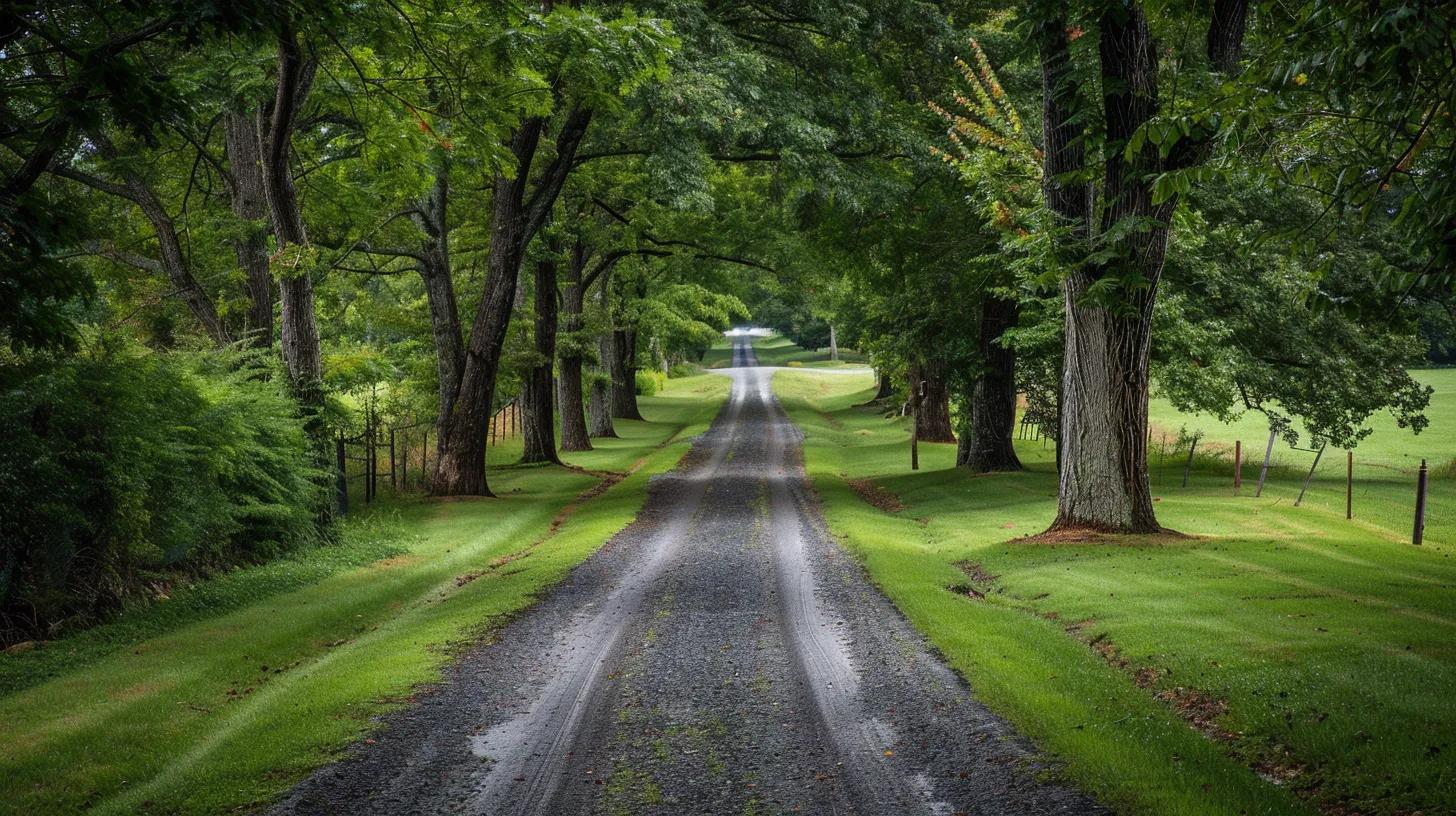
Road access and driveway planning for your new home in Maryland requires careful consideration of regulations, terrain, and long-term needs. Poor planning leads to expensive corrections, safety hazards, and ongoing maintenance problems. However, proper advance planning creates safe, functional access that adds value to your property.
At Woodbridge Homes, we’ve been handling road access and driveway planning across Maryland for over 60 years. From Anne Arundel County’s coastal considerations to Washington County’s mountain terrain, we understand the unique challenges each region presents.
In this guide, you’ll learn essential requirements for road access in Maryland, explore driveway design options, and understand material choices for our climate. You’ll also discover permit requirements and when to seek professional help for optimal access planning.
Understanding Road Access Requirements for New Home Construction in Maryland
First, let’s examine the fundamental requirements for connecting your new home to Maryland’s road system. Understanding these regulations early prevents costly corrections and ensures safe, legal access to your property.
Maryland County Regulations for Road Access and New Home Development
Maryland counties maintain specific standards for road access that vary significantly across regions. State highways require permits from the Maryland State Highway Administration, while county and local roads have their own permitting processes. Each jurisdiction establishes minimum sight distance requirements to ensure safe vehicle entry and exit from driveways.
Traffic volume considerations affect approval processes, particularly on busy roads where additional access points could create safety hazards. Emergency vehicle access requirements mandate specific width and turning radius standards that influence driveway design.
Public vs. Private Road Access Planning for Maryland Homes
Public road connections require formal permits and adherence to state or county engineering standards. These connections offer reliable maintenance and snow removal but involve more complex approval processes. Private road development gives homeowners more design control but creates ongoing maintenance responsibilities.
Shared driveway agreements with neighbors can reduce individual costs while providing adequate access for multiple properties. These arrangements require legal documentation to establish maintenance responsibilities and usage rights.
Setback Requirements and Road Access Planning Considerations
Front yard setback regulations determine where your home can be positioned relative to the road, directly affecting driveway length and design options. Corner lots face additional restrictions through visibility triangle requirements that prevent visual obstructions near intersections.
Mailbox placement follows postal service standards that require specific distances from travel lanes. Future road widening considerations protect your investment by planning for potential right-of-way expansions that could affect your property boundaries.
| County | Minimum Sight Distance | Driveway Width Standards | Setback Requirements | Special Considerations |
|---|---|---|---|---|
| Anne Arundel | 200-400 feet | 12-20 feet | 25-40 feet | Coastal access, drainage |
| Montgomery | 250-500 feet | 14-24 feet | 30-50 feet | High traffic volumes |
| Frederick | 200-350 feet | 12-18 feet | 25-35 feet | Rural/suburban mix |
| Washington | 150-300 feet | 10-16 feet | 20-30 feet | Mountain terrain challenges |
Driveway Design and Layout Planning for Maryland New Homes
Next, let’s explore the design elements that create functional, attractive driveways for Maryland homes. Proper design balances safety, convenience, and aesthetic appeal while accommodating your family’s specific needs.
Optimal Driveway Width and Length Planning for Residential Access
Standard residential driveways range from 10 to 24 feet wide depending on the number of vehicles and local requirements. Single-car driveways need at least 10-12 feet, while two-car access requires 18-24 feet for comfortable use. Emergency vehicle access may mandate wider dimensions, particularly for homes located far from public roads.
Length considerations depend on lot size, house placement, and terrain characteristics. Turning radius requirements ensure adequate space for vehicles to maneuver safely, particularly important for delivery trucks and emergency vehicles.
Slope and Grade Management in Maryland Driveway Planning
Maximum allowable slopes typically range from 8% to 15% depending on local regulations and safety considerations. Steeper grades create safety hazards during wet or icy conditions common in Maryland winters. Professional engineering may be required for slopes exceeding local maximums.
Steep terrain solutions include switchback designs, retaining walls, or alternative access routes that reduce overall grade. Winter weather considerations require planning for ice formation and snow removal on sloped surfaces.
Curved vs. Straight Driveway Planning for New Home Sites
Curved driveways offer aesthetic advantages and better landscape integration, creating more natural transitions from road to home. They can help manage elevation changes more gradually and provide design flexibility around existing trees or site features. However, curved designs typically require more space and materials than straight approaches.
Maintenance requirements differ between curved and straight driveways, with curved designs potentially complicating snow removal and routine care. Property line and easement impacts affect driveway routing options, particularly on smaller lots where space is limited.
Material Selection for Driveway Planning in Maryland Climate
Moreover, choosing appropriate materials ensures your driveway performs well in Maryland’s varied weather conditions while providing long-term value and aesthetic appeal.
Asphalt Driveway Planning for Maryland New Home Construction
Asphalt performs well in Maryland’s climate with proper installation and maintenance, offering good durability at moderate expense. The material handles freeze-thaw cycles reasonably well and provides adequate traction in most weather conditions. Installation timing affects performance, with spring and summer offering optimal conditions.
Maintenance schedules include periodic sealing every 2-3 years and crack repair as needed. Repair and resurfacing typically become necessary after 15-20 years depending on usage and maintenance quality.
Concrete Driveway Planning Options for Maryland Residential Projects
Concrete offers superior durability and design flexibility compared to asphalt, with properly installed systems lasting 25-30 years or more. Decorative options include stamped patterns, integral colors, and exposed aggregate finishes that enhance curb appeal. Freeze-thaw resistance requires proper mix design and installation techniques.
Integration with walkways and patio areas creates cohesive outdoor spaces that add property value. Higher upfront investment in concrete often provides better long-term value through reduced maintenance requirements.
Alternative Driveway Materials for Maryland New Home Planning
Gravel driveways offer the lowest initial investment but require ongoing maintenance to prevent rutting and material migration. They work well for rural properties and temporary access during construction but may not provide adequate performance for suburban applications.
Paver systems provide excellent design flexibility and easy repair capabilities when individual units become damaged. These systems handle freeze-thaw cycles well and offer superior drainage compared to solid surfaces.
| Material Type | Lifespan | Maintenance Level | Climate Suitability | Best Applications |
|---|---|---|---|---|
| Asphalt | 15-20 years | Medium | Good | Standard residential, budget-conscious |
| Concrete | 25-30 years | Low | Excellent | High-traffic, decorative applications |
| Gravel | 5-10 years | High | Fair | Rural, temporary, budget installations |
| Pavers | 20-25 years | Medium | Excellent | Decorative, premium installations |
Drainage and Stormwater Management in Driveway Planning
Additionally, proper drainage design protects your investment while meeting environmental regulations that govern development across Maryland.
Integrating Drainage Systems with Road Access and Driveway Design
Surface water management prevents damage to your driveway and surrounding landscape while protecting downstream properties from excess runoff. Culvert installation may be necessary for driveways crossing streams or drainage channels, requiring permits and professional engineering.
French drain integration along driveway edges manages subsurface water that could undermine pavement stability. Connection to existing storm drainage infrastructure requires coordination with local authorities and adherence to established standards.
Environmental Compliance in Maryland Driveway Planning
Chesapeake Bay watershed requirements affect many Maryland properties, mandating specific stormwater management practices for new development. These regulations may require retention ponds, infiltration systems, or other measures to reduce runoff impact.
Impervious surface limitations restrict the total paved area allowed on your property. Native vegetation preservation requirements may also influence driveway routing and design decisions.
Utility Coordination and Permits for Driveway Planning
Subsequently, coordinating utilities with your access planning prevents conflicts while ensuring regulatory compliance for your new home project.
Underground Utility Planning and Driveway Route Selection
Electric, gas, and telecommunication lines require careful coordination to prevent conflicts with driveway construction. Water and sewer lines often run beneath or alongside driveways, requiring specific depth and protection measures. Utility marking and protection during construction prevents dangerous accidents and expensive repairs.
Gate automation and access control systems require electrical planning and proper placement for optimal function. Driveway lighting and security features need power supply planning and strategic positioning as well.
Required Permits and Code Compliance for Maryland Driveway Construction
State highway access permits apply to driveways connecting directly to state-maintained roads, requiring engineering plans and safety analysis. County road connection permits have similar requirements but different approval processes and standards. Environmental permits may be necessary for stream crossings or wetland impacts.
Fire department access requirements mandate specific width, turning radius, and weight capacity standards for emergency vehicle access. Sight distance requirements ensure safe traffic operation and prevent accidents at driveway connections.
| Planning Factor | Impact Level | Decision Considerations | Professional Consultation Needed |
|---|---|---|---|
| Terrain/Slope | High | Safety, drainage, accessibility | Yes – Engineering required |
| Material Selection | Medium | Budget, aesthetics, maintenance | Recommended – Home builder input |
| Length/Width | Medium | Vehicle needs, regulations | Optional – Plan review |
| Drainage Requirements | High | Environmental compliance | Yes – Engineering/permits |
Working with Professionals for Road Access and Driveway Planning
Finally, professional guidance ensures optimal results while navigating complex regulations and technical requirements for your Maryland new home project.
Woodbridge Homes’ Approach to Road Access and Driveway Planning
Our 60+ years of experience with Maryland site development provides comprehensive expertise for complex access planning challenges. We integrate driveway design with overall home placement for optimal functionality and aesthetic appeal. Coordination with local officials expedites permit approvals and ensures regulatory compliance.
Quality control and construction oversight ensure proper installation and long-term performance. Our systematic approach manages costs while delivering access solutions that add lasting value to your property.
Conclusion
Road access and driveway planning for your new home in Maryland requires careful consideration of regulations, design options, and long-term maintenance needs. Proper planning prevents expensive corrections while creating safe, attractive access that enhances your property value.
Maryland’s diverse geography and varying county regulations make local expertise essential for successful access planning. Understanding permit requirements, drainage obligations, and material options helps you make informed decisions that serve your family’s needs for decades.
At Woodbridge Homes, our comprehensive approach to site development ensures your access planning integrates seamlessly with your new home design. We handle regulatory compliance, coordinate with utilities, and manage construction oversight for optimal results.
Frequently Asked Questions About Road Access and Driveway Planning for New Homes in Maryland
What permits do I need for road access and driveway construction in Maryland?
State highway connections require permits from the Maryland State Highway Administration, while county roads need local permits. Environmental permits apply for stream crossings or wetland impacts. Building permits may be required for retaining walls or major grading work.
How wide should my driveway be for optimal access and safety?
Single-car driveways need 10-12 feet minimum, while two-car access requires 18-24 feet. Emergency vehicle access may mandate wider dimensions. Local regulations and specific site conditions influence final width requirements for your project.
What’s the best driveway material for Maryland’s climate and weather conditions?
Concrete offers the best durability and performance in Maryland’s freeze-thaw cycles, lasting 25-30 years with minimal maintenance. Asphalt provides good value for longer driveways. Pavers offer excellent design flexibility and easy repairs.
How do I handle drainage and stormwater management in my driveway planning?
Proper grading directs water away from foundations and prevents pooling. Drainage systems may include catch basins, culverts, or French drains depending on site conditions. Chesapeake Bay watershed properties have additional stormwater management requirements.
Can I share a driveway with my neighbor to reduce costs?
Shared driveways can reduce individual expenses but require legal agreements establishing maintenance responsibilities and usage rights. Professional legal documentation prevents future disputes and protects property values for both parties.
What slope limitations exist for driveways in Maryland?
Maximum slopes typically range from 8% to 15% depending on local regulations and safety considerations. Steeper grades may require professional engineering and special design solutions for safe vehicle access year-round.
How far in advance should I plan my road access and driveway construction?
Begin planning 6-12 months before construction starts to allow time for permits, engineering, and contractor selection. Complex projects requiring environmental permits may need longer lead times for proper approvals.
Do I need professional help for road access and driveway planning?
Professional assistance is recommended for complex terrain, environmental compliance, or utility coordination. Engineers are typically required for steep slopes, drainage systems, or state highway connections to ensure safety and compliance.
How does driveway planning affect my home’s resale value?
Well-planned access adds property value through improved safety, convenience, and curb appeal. Poor access can significantly reduce marketability and buyer interest. Professional planning ensures optimal long-term value for your investment.
What maintenance should I expect for different driveway materials in Maryland?
Asphalt requires sealing every 2-3 years and periodic crack repair. Concrete needs minimal maintenance but may require joint sealing. Gravel requires regular regrading and material replenishment. Pavers need occasional releveling and weed control.

Leave a Reply